September 1847
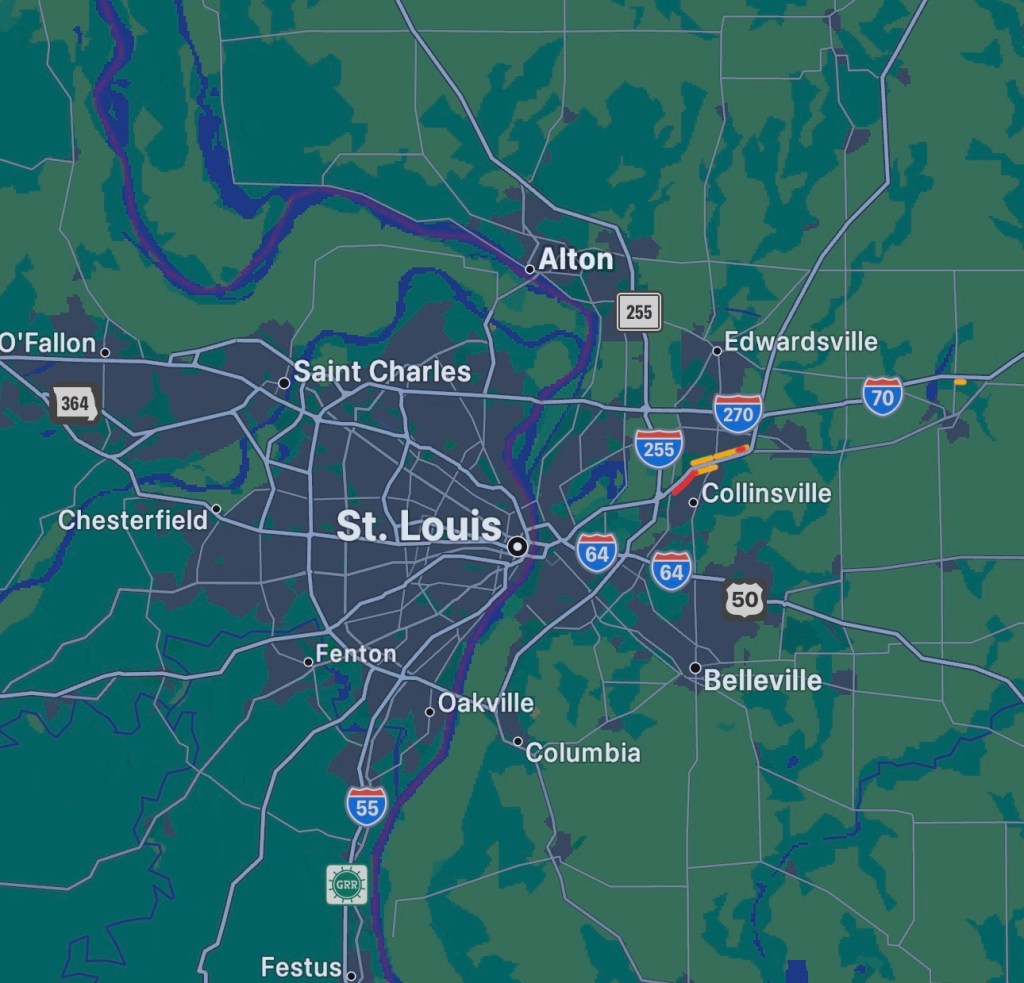
Merrick is born in Alton, Illinois. His parents were John and Catherine; John was a printer. His obituary later notes that he was born in New York, but that is where Catherine was from.
The background as far as siblings are concerned is a little confusing. Here’s what I could find based on family trees.
He had one older brother, George, an older sister Mary, then two younger brothers, Edwin and Walter William* and two younger sisters, Laura and Lillian.
*Some references have him as Walter and others as William, so I initially thought they were two separate people. One family tree though confirms he was one person that may have gone by his middle name.
In addition to the confusion around Walter William, one source references him being one of five siblings during the family move in 1878. However, George would have been 35 and Mary would have been 31; they likely had families of their own and wouldn’t have moved.
His obituary notes that he had two surviving brothers and two surviving sisters. George passed away in 1884 and we don’t know about Mary or Laura’s dates of death, but Lilian lived until 1926.
1861-1865
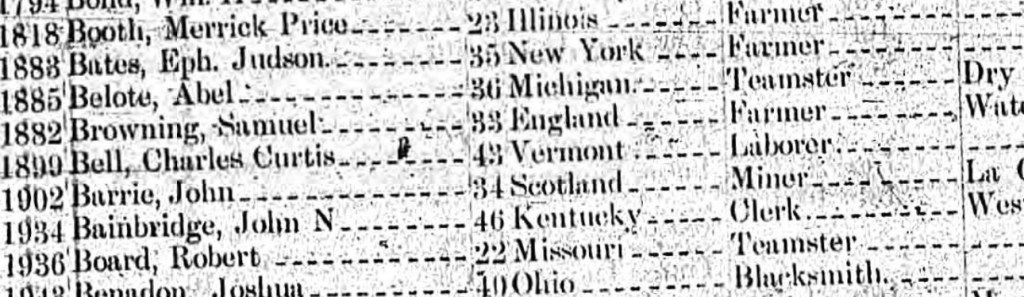
His obituary notes service during the Civil War, but records only show the Spanish-American War.
June 10, 1871
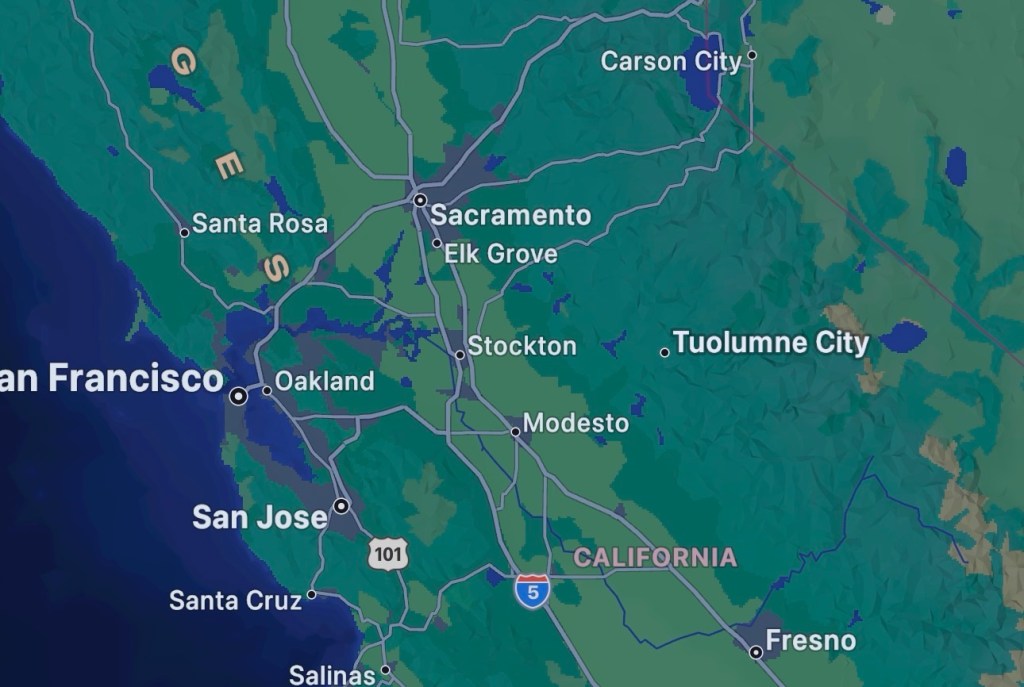
Voter registrations have him living in Tuolumne City, California as a farmer.
1878
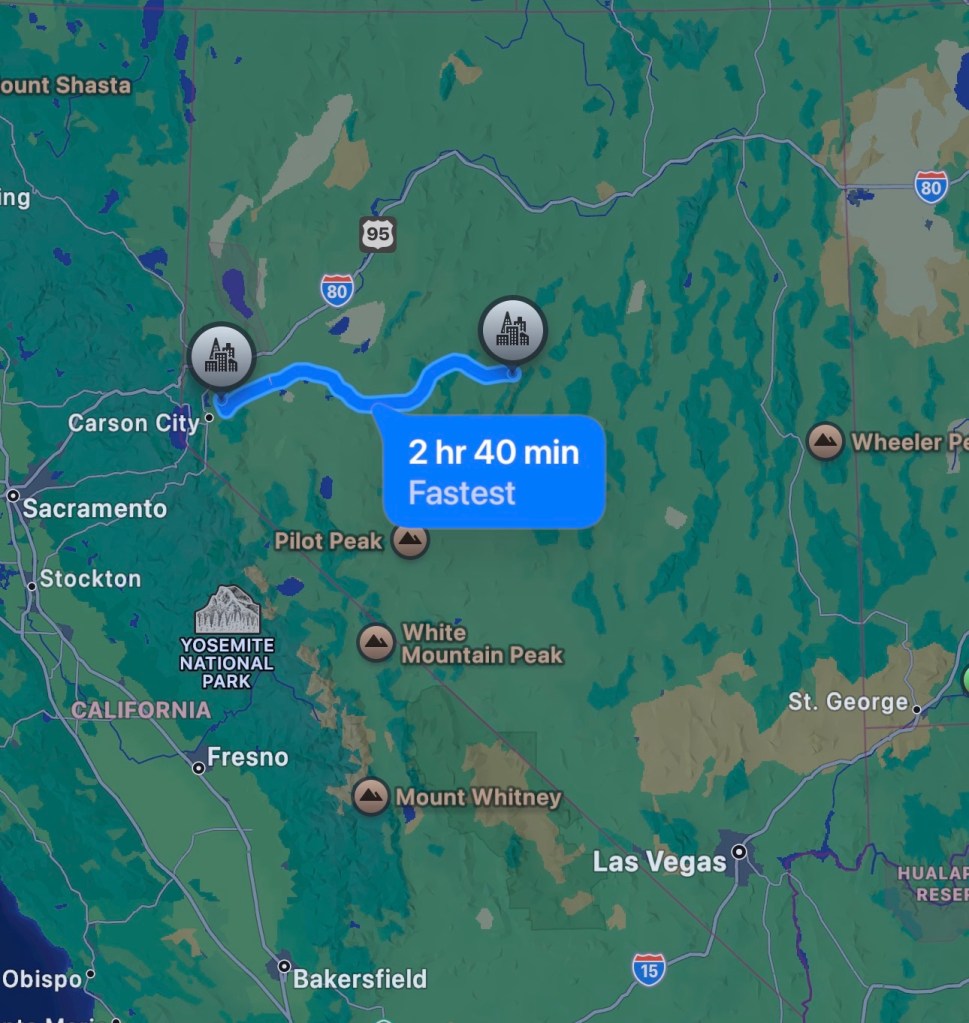
The Booth family moves from Gold Hill, Nevada to Austin, Nevada.
1880
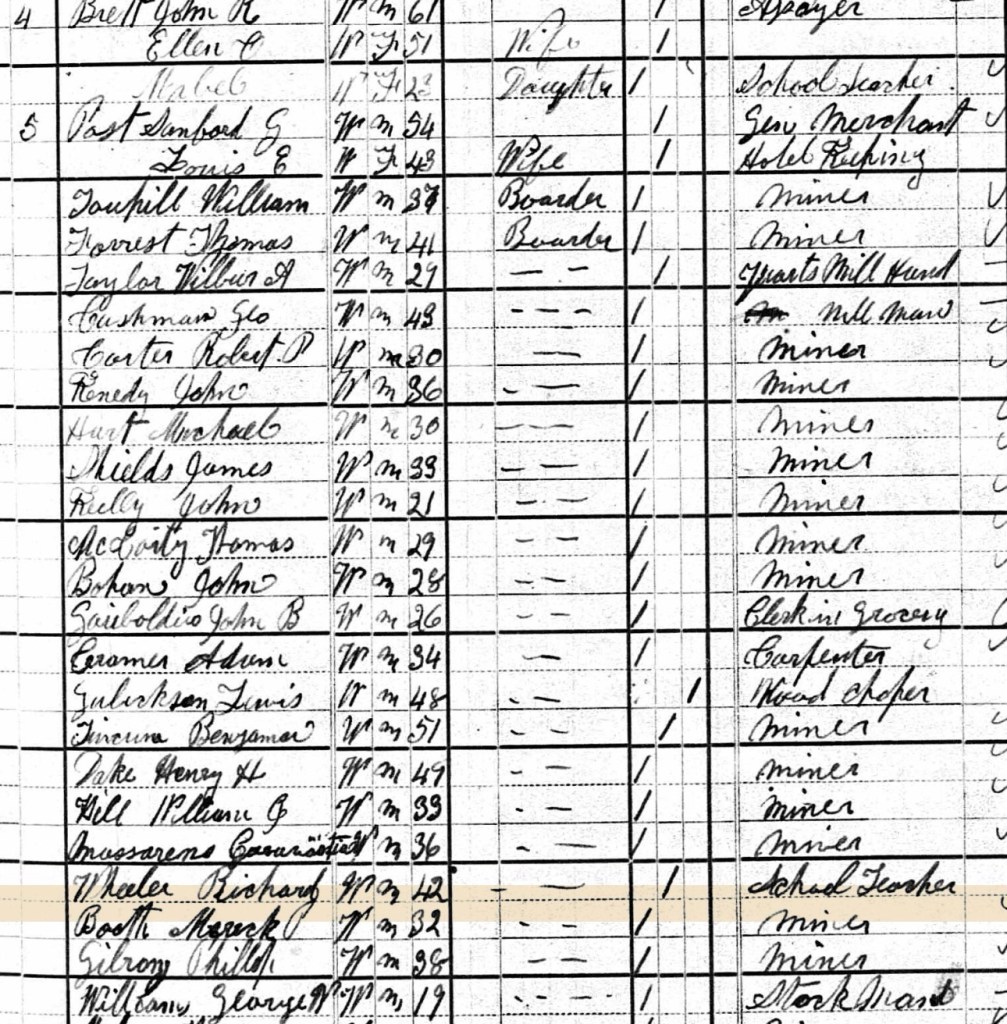
Census records have him living in Grantsville, Nevada; like Tonopah, it is also in Nye county. He’s listed as single and his profession was miner. One reference notes that mining would take him all over the west: Nevada, Idaho, Arizona & Montana.
1892
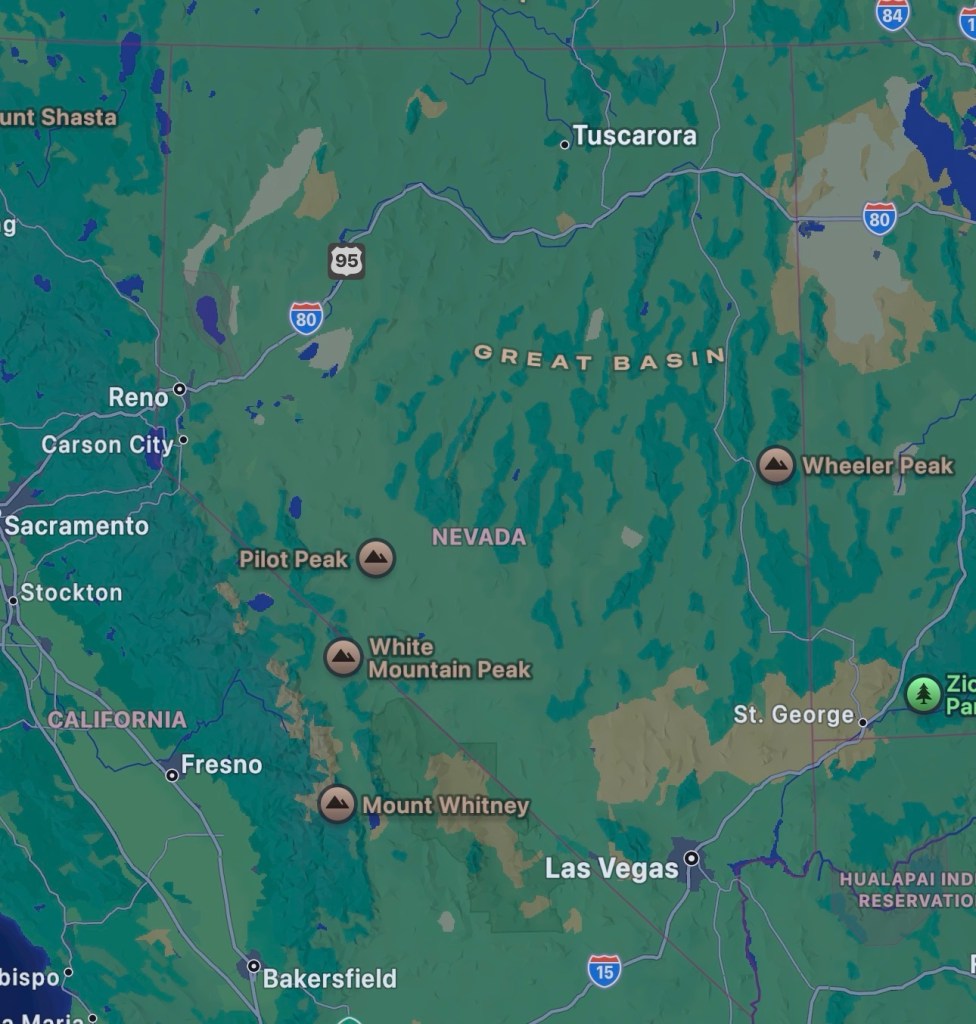
He was living in Tuscarora, Nevada when he ran for the constable office, though he didn’t win.
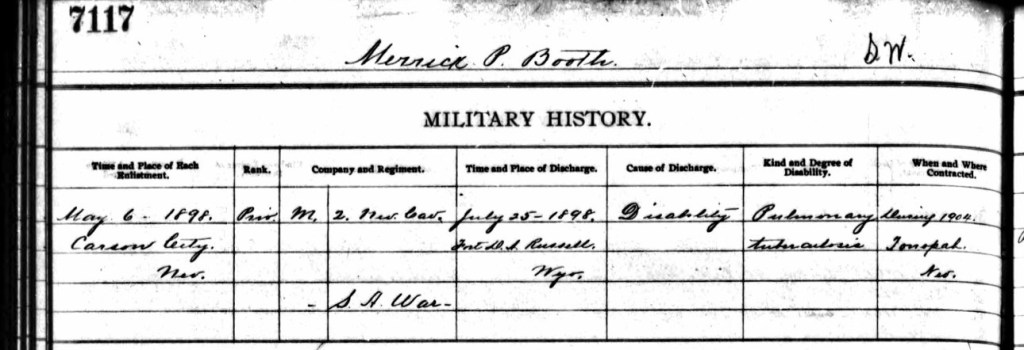
May 6, 1898
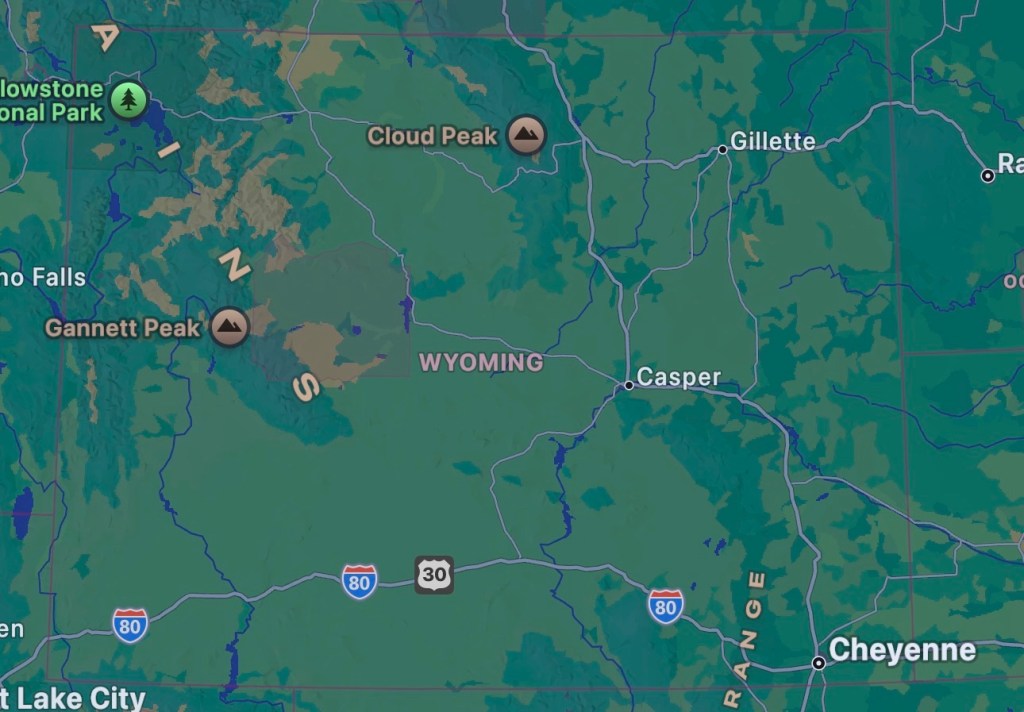
Still living in Tuscarora, he enlisted as a private during the Spanish-American War; he enlisted in Elko, NV then was mustered in in Carson City, NV. He was sent then to Fort DA Russell in Wyoming.
July 25, 1898
He is discharged from the army due to disability. The disability was listed as “pulmonary tuberculosis.”
He had been a miner for 18 years at this point, making that the likely cause of his breathing troubles.
August 3, 1898
He’s noted in one reference as being in Ogden, Utah on sick leave. He would get back to Elko, NV and announce that he was running for Nevada State Assembly; he did not win.
1900
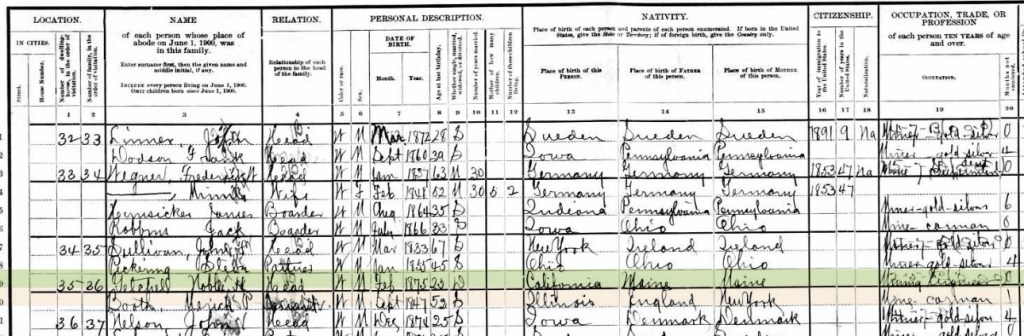
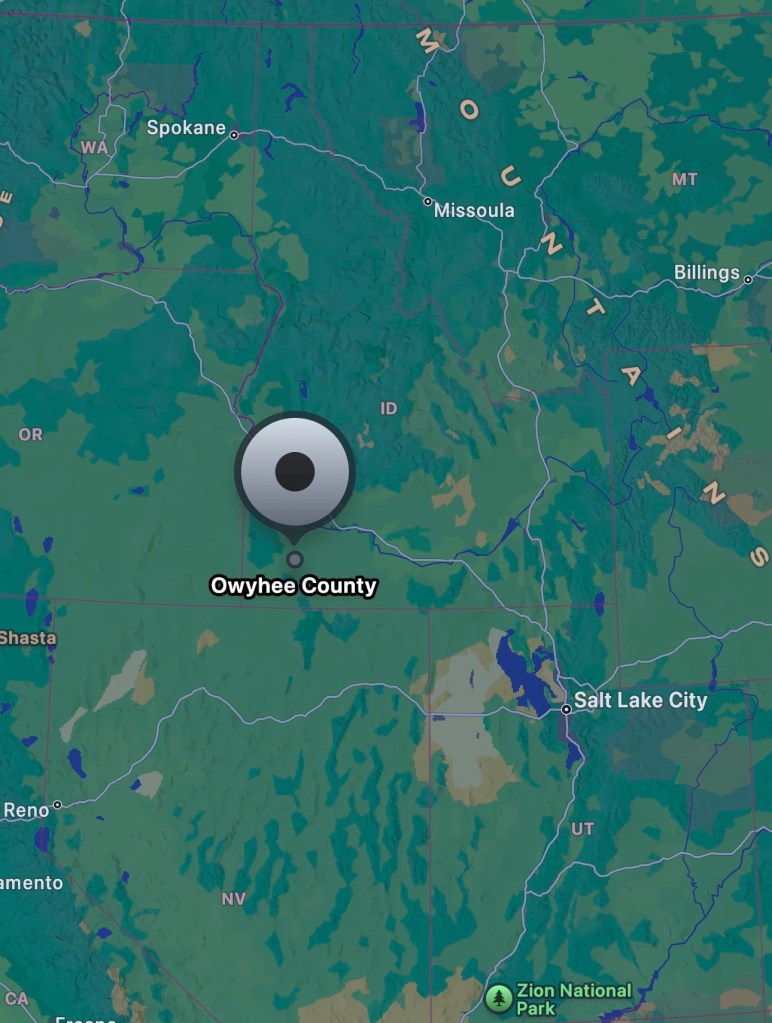
The federal census has him living in Owyhee, Idaho as a tenant of Mr. Noble Getchell. It lists his birthplace as Illinois, his father’s as England and his mother’s as New York. His profession was “mine carman” and he was noted as being able to read, write and speak English.
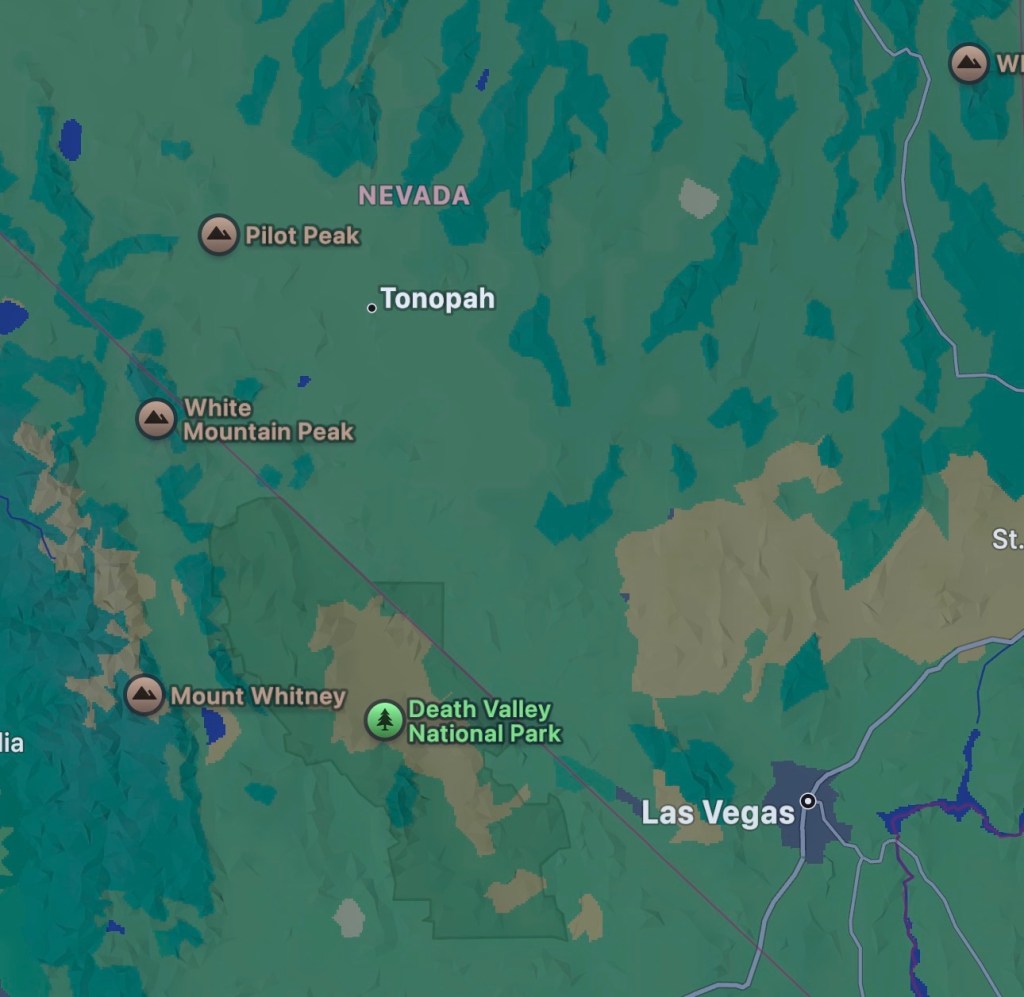
In May of this year, silver was discovered in Tonopah. Merrick is said to have followed his brother there and began work at the Belmont-Tonopah Mine.
1902
Merrick announces he is running for constable in Tonopah; again, his candidacy was unsuccessful.
December 1902
He begins his career as a nightwatchman in downtown Tonopah.
1903
He was arrested for carrying a concealed weapon; one source notes it was a “flimsy charge.” The same source quotes the Tonopah Bonanza:
“Booth has been night watchman in Tonopah for about ten months, and his zeal and watchfulness have attracted the attention of a big majority of property owners on Main Street and caused them to stop the pay of the constables, which the latter have been drawing, but not earning, and transfer the same to Booth. This aroused the anger of the officer and is the animus of the charge against him.”
It would appear he was too good at his job and probably should have won the position of constable.
He was later acquitted after a jury deliberated for five minutes on the charges.
1904
He’s listed on military records as living in Tonopah, Nevada. It describes him has being 5’8″ tall with a fair complexion, blue eyes and gray hair. His religion is listed as “prot.” so likely protestant, and his profession was watchman. His nearest relative was his brother, Walter, who lived in Tonopah as well.

April 1904
Merrick is arrested again, this time for shooting at a man named Fred Sweeney nine times; he was given a $2,000 bail, which is $75,716 today. One newspaper at the time said that the trouble between Merrick and Fred started over a woman. Nothing else is reported, so it seems the charges were dropped or Merrick was acquitted again.
May 8, 1905
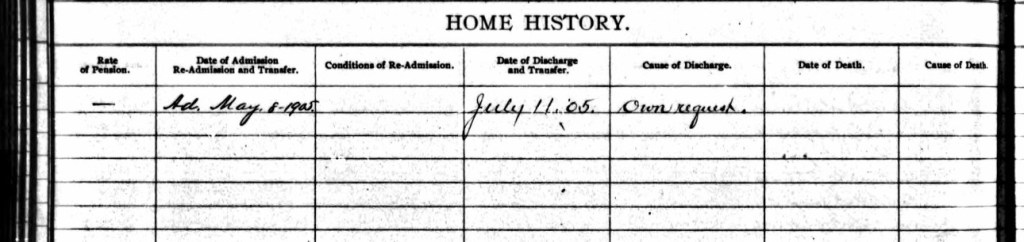
He’s admitted to US National Home for Soldiers in Sawtelle, California due to his health.
July 11, 1905
He is discharged from the veterans home “by his own request,” and went back to Tonopah.
September 20, 1905
He has plans to leave the following day for Arizona, but he suffered “a severe coughing attack” and passed away that evening.
September 22, 1905
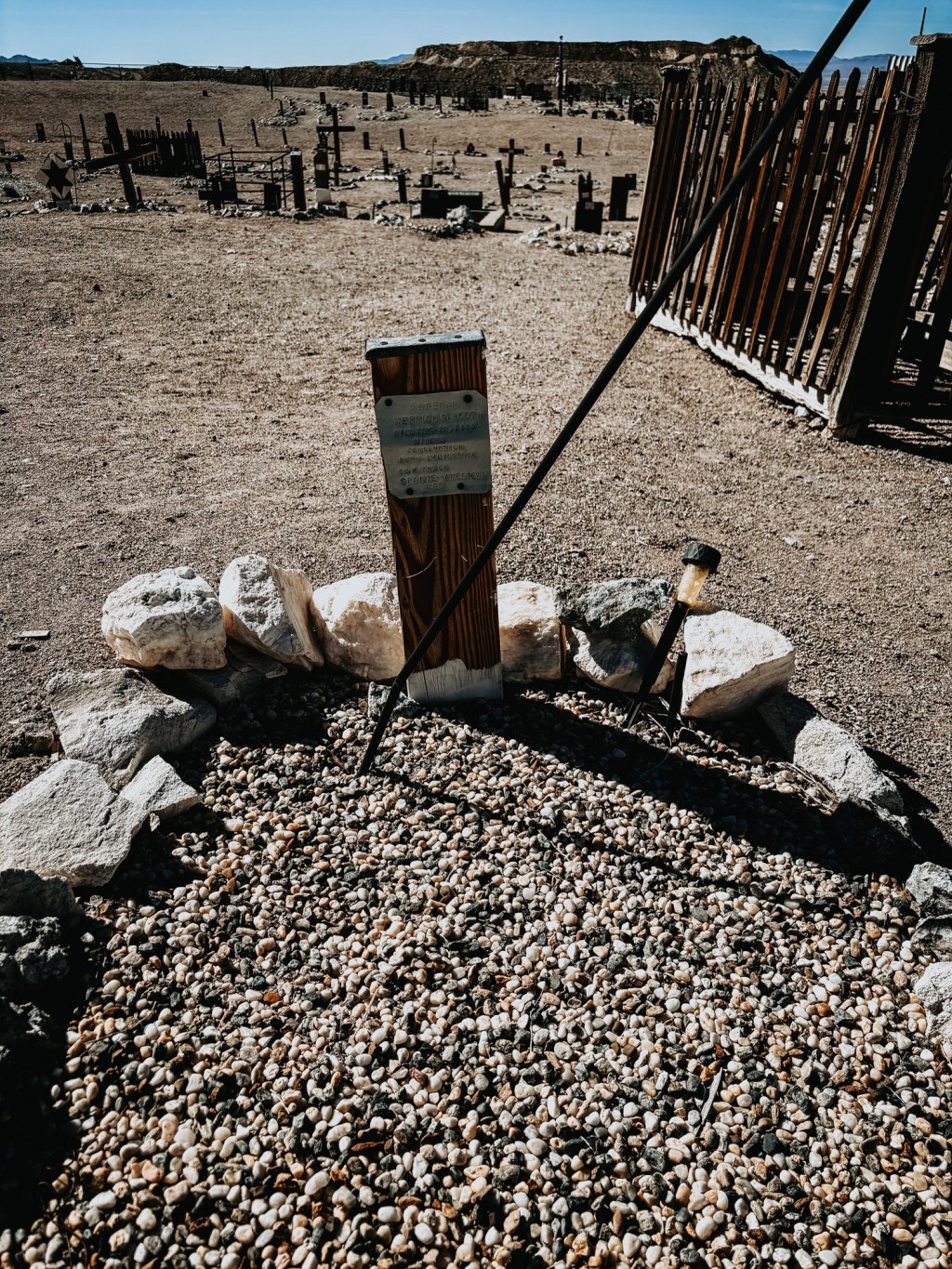
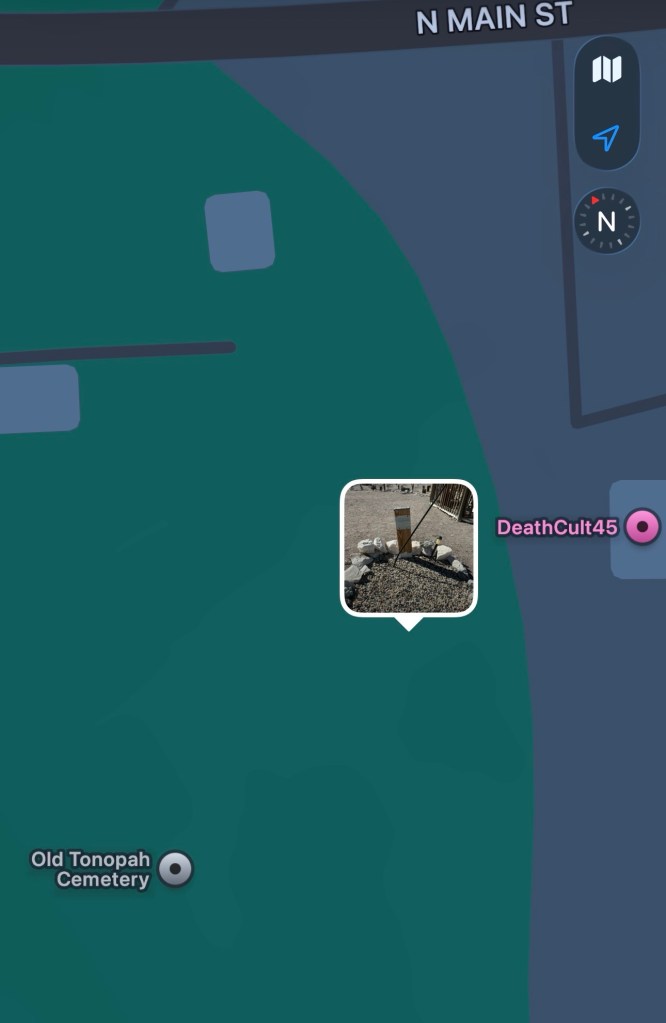
The day of Merrick’s funeral and burial at Old Tonopah Cemetery. He was fifty-nine years old. His cause of death was silicosis aka miner’s consumption. It is caused by breathing in silica dust found in mines. He would have suffered from a persistent cough, breathing troubles, and inflamed/scarred lungs.
September 23, 1905
His obituary is run in the Tonopah Bonanza.
“Merrick P. Booth Passes to the Great Beyond. Merrick P. Booth, one of Tonopah’s pioneer residents, passed away Wednesday night after a lingering illness with miners consumption. Mr. Booth had intended leaving for Arizona Thursday and had arranged his business affairs to that end. He was taken with a violent coughing spell during the night. Mr. Booth had a host of friends in Tonopah and Southwestern Nevada where he has lived for a long time. He was born in New York, 59 years ago, but his early life was spent in Shasta County, California, where his mother still resides. Mr. Booth mined on the Comstock in the early 70s and later mined in Idaho and California. Upon the discovery of Tonopah he came here and secured employment at the Belmont mine. He was afterwards made night watchman of Tonopah and proved a capable officer. Mr. Booth loved his native land which he gave conclusive evedence of by serving throughout the civil war and again throughout the Spanish-American unpleasantness. The funeral took place yesterday afternoon from Butler hall under the auspices of the Grand Army of the Republic and the Spanish-American war veterans. The pall bearers were Alex McKenzie, T. J. Lynch, Zeb Kendall, S. J. Tanner, C. Blumenthal, and James McCambridge. Among those who followed the remains to the grave were nearly one hundred school children, who remembered the many kind acts of ceceased toward them during his life time, especially the presentation of the school house flag last year. The deceased leaves a mother, two sisters, and two brothers to mourn his taking off.”
References
Where to find Merrick


Leave a Reply